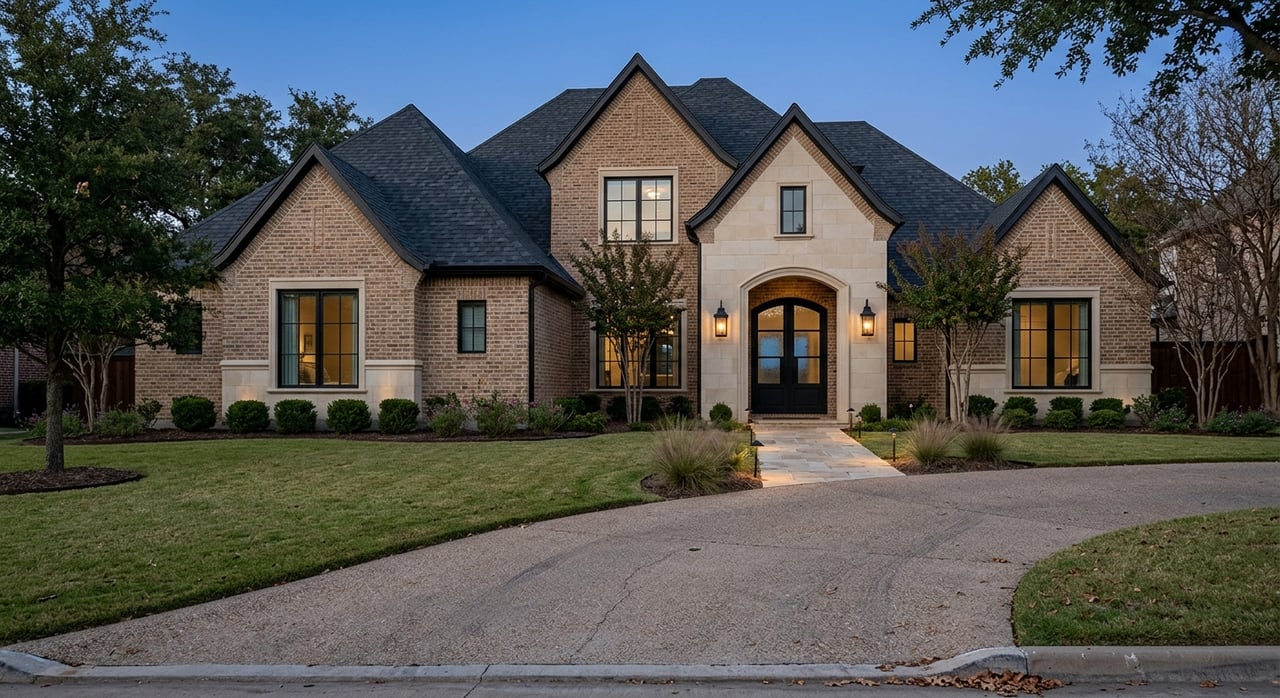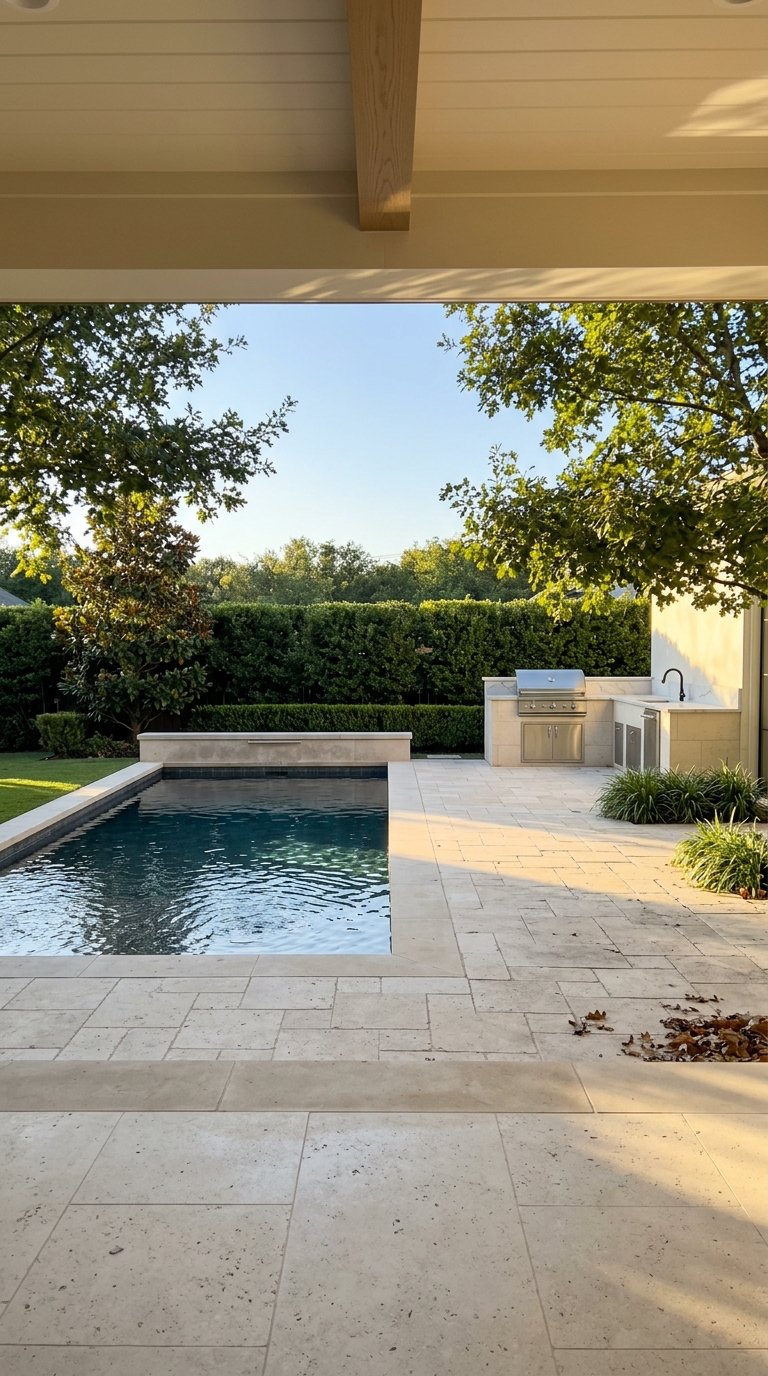
Thinking about a fast move to the Dallas suburbs and not sure where to start? Relocations move quickly, and the right plan can turn a stressful scramble into a confident transition. In the next few minutes, you will get a clear 90-day roadmap built for corporate transferees focused on Southlake, Colleyville, Westlake, and nearby communities. You will know what to do first, when to travel, how Texas contracts work, and which local details can change your budget or timeline. Let’s dive in.
Your 90-day plan
Relocation works best in three simple blocks: Pre-arrival, Fly-in and under contract, and Closing and move-in. Use the checklists to stay on track.
Pre-arrival: Days 0–30
Focus: virtual prep, financing, and a tight shortlist.
- Confirm employer relocation policy and approved vendors, allowances, timing, and whether tax gross-ups apply.
- Hire a buyer’s agent with Southlake-Colleyville-Westlake experience.
- Get preapproved or line up proof of funds. Gather pay stubs, W-2s, and asset statements.
- Write family priorities: commute thresholds, lot size, minimum bedrooms, and must-have amenities.
- Map workplace locations and test drive times from candidate suburbs during peak hours.
Shortlist and research (days 7–21):
- Have your agent compile 8–15 homes with 3D tours, live video walk-throughs, and neighborhood drive videos.
- Narrow to 3–5 finalists for your fly-in. Include a mix of move-in ready options and one longer-negotiation candidate if it fits.
- Run cost checks: property tax estimates, HOA and MUD fees, insurance quotes, and all-in monthly numbers.
Pre-contract prep (days 21–30):
- Reserve temporary housing timed to your visit and potential contract dates.
- Coordinate with your lender on all documents needed for an expedited loan.
- Arrange movers, storage, or short-term furniture rentals if a quick move is likely.
Fly-in and contract: Days 31–60
Focus: efficient tours, fast decisions, inspections, and title work.
Fly-in visit plan (2–4 days):
- Day 1: neighborhood drives, morning and evening traffic checks, quick school visits, and tour your finalists.
- Day 2: follow-up showings and any new finds, plus review HOA, city, and utility info.
- Decide within 48 hours and submit your offer.
Option period and inspections (first 7–14 days after contract):
- In Texas, most buyers negotiate an option period with a paid fee that gives an unrestricted right to terminate. For remote buyers, target 7–10 days, and consider 10–14 if inspections are complex.
- Order a general inspection immediately. Add specialists for roof, HVAC, pool, foundation, pest, and sewer or septic as needed.
- Negotiate repairs or credits within the option period. If acceptable, proceed to financing and appraisal.
Financing, appraisal, and title (through day 30 after contract):
- Coordinate appraisal dates and respond quickly to lender requests.
- Review HOA resale documents promptly, including rules and fees.
- Secure your homeowner’s insurance binder.
Temporary housing coordination:
- If closing extends beyond your reservation, extend your stay or switch to short-term furnished housing.
Closing and move-in: Days 61–90
Focus: final checks, utilities, schools, and post-close admin.
- Schedule a final walk-through within 48 hours of closing to confirm condition and agreed repairs.
- Closing will occur at a title company. Always verify wiring instructions by phone using a known number before sending funds.
- Transfer utilities, set up municipal accounts for water, sewer, and trash, and choose a retail electric provider if your area is deregulated.
- Enroll students with proof of residency, immunization records, and prior school records.
- After closing, confirm that the deed recorded, update your mailing with the county appraisal district, and file your homestead exemption when eligible.
Practical timing tip: Many Texas contracts close in about 30–45 days. For out-of-state buyers, a 45–60 day target can ease scheduling with lenders, inspectors, and movers.
Local factors to weigh
Commute modeling and access
Southlake, Colleyville, and Westlake sit northwest of Dallas near DFW International Airport with access to TX-114, SH-121, SH-360, and I-635. Drive times can vary by micro-neighborhood and route, so test at peak hours.
School research and enrollment
School district boundaries impact both enrollment steps and the address-specific campus list. For neutral performance metrics and reports, review the Texas Education Agency’s district and campus accountability pages via the TEA accountability reports. To compare enrollment details and boundary maps, confirm directly with each district and cross-check third-party sources like GreatSchools. Always verify attendance zones for a specific address with the district.
Taxes, HOAs, and MUDs
Texas has no state income tax, so property taxes are a major line item. Your total rate depends on the county, city, school district, and special districts such as MUDs. HOA fees and covenants can affect monthly costs and renovations. Review the HOA resale packet early and check the property’s tax breakdown at the county appraisal district. For local details and homestead forms, see the Tarrant Appraisal District and the Dallas Central Appraisal District.
Utilities and energy choices
Much of North Texas has a deregulated electricity market. You can compare retail electric providers and plans through the Public Utility Commission of Texas. Water and sewer are usually municipal or through a MUD. Confirm providers and billing cycles during your option period.
Insurance and flood considerations
Premiums vary by age of home, roof condition, pool equipment, and materials. Get quotes early. For flood risk, review the FEMA Flood Map Service Center for floodplain status. Even outside mapped flood zones, ask your inspector about local drainage and consider optional coverage.
Texas contract basics
Disclosures, earnest money, and the option period
Texas sellers provide a Seller’s Disclosure of Property Condition. Most contracts include earnest money held by a title company and a buyer-paid option fee for an unrestricted termination window used for inspections. To see standard forms and learn more about state rules, review the Texas Real Estate Commission resources.
Inspection strategy for remote buyers
Use your option period for unrestricted access. In addition to a general inspector, consider specialists for structural or foundation issues, HVAC and roof certifications, pest, pool systems, and a sewer scope for older lines or rural lots. You can find certified pros through the American Society of Home Inspectors.
Appraisal, financing, and closing
Your lender orders the appraisal. If the value comes in low, discuss options with your agent and lender, such as renegotiation or additional funds. For a clear picture of closing steps and disclosures, review the CFPB guide to mortgages and closings. Title companies manage escrow and recording. Always confirm wiring instructions by phone with a known title office number to reduce fraud risk.
Documents and logistics checklists
Use these quick lists to keep your plan moving.
Buyer documents
- Government ID
- Mortgage preapproval or proof of funds
- Signed contract and all amendments
- Inspection reports and repair agreements
- Homeowner’s insurance binder
- Cleared closing funds per title company instructions
- School records and immunizations for enrollment
Movers, utilities, and services
- Movers or storage booked with flexible dates
- Water, sewer, trash set up or transferred
- Electric retail provider selected
- Gas service activated where applicable
- Internet and security systems scheduled
- Pool, lawn, or pest service set for day 1
School enrollment steps
- Confirm attendance zone with the district
- Gather proof of residency, immunizations, and prior records
- Submit enrollment packets and confirm start dates
How we help relocation buyers
You should not have to figure this out alone. Our team builds a fast, virtual-first process that respects your time and your company’s timeline:
- Curated shortlists with video: 3D tours, live walk-throughs, and neighborhood drive videos so you can pre-vet homes from anywhere.
- Fly-in efficiency: tightly sequenced tours, commute checks, and introductions to local resources.
- Texas contract guidance: option period strategy, inspections, and repair negotiations tailored to luxury homes.
- Lender and title coordination: clear timelines for appraisal, HOA packets, and closing funds so dates match your housing plans.
- Post-close support: local introductions and service setup that help you settle in quickly.
Ready to build your plan and tour the right homes on your first visit? Connect with The Pistana Group for a relocation game plan that gets you from shortlist to keys with confidence.
FAQs
What is the Texas option period and how long should it be?
- It is a buyer-paid window that allows you to terminate for any reason. Remote buyers often target 7–10 days and consider 10–14 if multiple specialist inspections are needed.
How long does a typical Texas closing take for financed buyers?
- Many contracts close in about 30–45 days. Relocating buyers often plan for 45–60 days to reduce stress and coordinate movers, temporary housing, and lender timelines.
How do property taxes and homestead exemptions work in Dallas-area suburbs?
- Your total tax rate depends on county, city, school district, and special districts like MUDs. After closing on a primary residence, apply for the homestead exemption with your county appraisal district.
Where can I compare Dallas-area school information before I buy?
- Review neutral performance data from the Texas Education Agency and confirm enrollment and boundaries with each district. Third-party tools like GreatSchools can provide additional context.
Do I need flood insurance if the home is not in a FEMA floodplain?
- Lenders typically do not require it outside mapped zones, but localized drainage can still cause issues. Check the FEMA Flood Map Service Center and discuss site-specific risks with your inspector and insurer.
How do I choose a retail electric provider in North Texas?
- In deregulated areas, compare plans and providers through the Public Utility Commission of Texas and select based on your expected usage.
Where can I see Texas contract and disclosure forms?
- The Texas Real Estate Commission publishes standard forms and guidance, which your agent will use and explain during your offer and option period.
How can I verify market data and recent sales for a micro-neighborhood?
- Ask your agent for recent comps from the local MLS. You can learn more about MLS resources through NTREIS, which powers most DFW listing data for agents.